UK licensed medication

Next day delivery

Discreet packaging

Free expert advice & support

Ubayd Ali

Authored by

Ubayd Ali

Superintendent Pharmacist

Registration Number: 2219322

NHS Pharmacist and founding member of HEBA, with years of experience in healthcare across innovative organisations.

Sufyan Tahir

Reviewed by

Sufyan Tahir

Clinical Governance Lead

Registration Number: 2221275

Review Date 25 March 2026
Next Review 25 March 2028
Published on 25 March 2026
Last Update 25 March 2026

Overview

Feminax is a medication that is used to provide pain relief from menstrual cramps. Feminax is a nonsteroidal anti-inflammatory drug or NSAID.

How does Feminax work?

Feminax works by blocking the body’s production of certain natural substances known that cause inflammation known as prostaglandins.

What are the benefits of using Feminax?

Naproxen is beneficial in providing relief from pain from various conditions such as headaches, tendonitis, muscle aches, menstrual cramps, and dental pain. It is also beneficial in reducing the pain, swelling, and joint stiffness caused by gout attacks, bursitis, and arthritis.

Feminax specifically is licensed for pain relief associated with periods.

How do I use Feminax?

You should read the medication guide or patient information that comes with the product package before you start using Feminax.  Ask your doctor or your pharmacist if you have any questions about the use and safety of the medication.

Take Feminax by mouth as directed by your doctor, usually 2 or 3 times a day with a full glass of water. Avoid lying down within ten minutes after taking this medication. Take Feminax with food, milk, or an antacid in order to avoid having an upset stomach.

To reduce the risk of stomach bleeding and other side effects, take Feminax at the lowest effective dose for the shortest possible time. Do not increase your dose or take Feminax more than directed by your doctor. For ongoing conditions such as arthritis, take this medication continuously as directed by your doctor. For arthritis, the full benefit of this drug may show after about two weeks of continuous use.

If you are taking Feminax as needed, you should remember that pain medication like Feminax works best when used as the first signs of pain occur. The medication may not work well if you wait until the pain has worsened.

Inform your doctor if your condition will not improve or if it will get worse.

Side Effects

Medicines and their possible side effects affect individual users differently. Not everyone who uses Feminax will experience the possible side effects.

Your doctor prescribed this medication because he deemed that the benefit to you is greater than the risk of side effects.

Feminax may raise your blood pressure level. Check your blood pressure regularly and inform your doctor if the results are high.

Inform your doctor right away if you have any serious side effects, including bleeding or easy bruising, difficult or painful swallowing, mental or mood changes, hearing changes, signs of kidney problems, vision changes, unexplained stiff neck, symptoms of heart failure.

Feminax may rarely cause serious liver disease. Get medical help immediately if you have any symptoms of liver damage, such as dark urine, loss of appetite, persistent vomiting or nausea, stomach or abdominal pain, and yellowing of the eyes and skin.

Serious allergic reactions to Feminax are rare. However, you should seek immediate medical help if you notice any symptoms of serious allergic reactions such as rash, itching, severe dizziness, trouble breathing, or swelling of the face, tongue, or throat.

If you notice any other side effects which you believe are associated with your use of Feminax, tell your doctor immediately.

Before you start taking Feminax, tell your doctor if you are allergic to it, or to aspirin and other NSAID, or if you have other allergies. Feminax may contain inactive ingredients that may cause allergic reactions or other problems.

Before taking Feminax, tell your doctor about your medical history, especially if you have asthma, blood disorders, clotting problems, nasal polyps, heart disease, high blood pressure, stroke, liver disease, and throat/stomach/intestinal problems.

The use of NSAID can sometimes lead to kidney problems. These problems are likely to occur if you are dehydrated, have kidney or heart failure, are an older adult, if you take certain medications.

Drink plenty of fluids to prevent dehydration and inform your doctor immediately if you have a change in the amount of your urine.

Feminax may make you drowsy or dizzy. Alcohol use can make you dizzier or drowsier. Do not drive a vehicle, operate machinery, or perform any task that requires alertness until you can do so safely.

Feminax may cause stomach bleeding. It may increase with daily use of tobacco and alcohol. Limit your alcohol intake and quit smoking while you are taking Feminax.

This medication may make you more sensitive to the sun. Limit your exposure to direct sunlight. Use a sunscreen and wear protective clothing when you go outdoors.

Older adults may be more sensitive to the side effects of Feminax.

Tell your doctor if you are pregnant or planning to get pregnant before you take Feminax. Feminax should be taken only when clearly needed during pregnancy. Feminax should be avoided during the first and last trimesters of pregnancy due to possible harm it may cause to the unborn baby.

Feminax passes into the breast milk and may have undesirable effects on the nursing infant. Consult your doctor before breastfeeding while taking Feminax.

Drug interactions may change how your medications work or increase the risk of serious side effects. Share with your doctor a list of all the medications you are taking before you start using Feminax. Similarly, do not start or stop the use of a medication or change the dosage of a medication without telling your doctor.

Feminax can affect the results of some laboratory tests, causing possible test results. Inform your healthcare professionals and the laboratory personnel that you are taking Feminax before a lab test is conducted.

Verified customer reviews

Frequently asked questions

  • What is Feminax Ultra and how does it work?

    Feminax Ultra is an over-the-counter painkiller specifically designed to relieve period pain. It contains the active ingredient naproxen 250mg, which is a type of medicine used for the relief of pain and inflammation. Naproxen works by blocking the action of prostaglandins — the natural chemicals responsible for causing pain, swelling, and inflammation. By reducing the levels of prostaglandins in the body, Feminax Ultra helps ease the cramping and discomfort associated with your period.

  • How long does Feminax Ultra last and how quickly does it work?

    Feminax Ultra works directly at the site of the pain to offer long lasting relief. The first dose offers relief that can last for eight hours, or longer — and for some women, relief can be for up to 12 hours. It is also gastro-resistant, which means the tablet is specially coated to help minimise stomach side effects.

  • How do I take Feminax Ultra?

    On the first day, take two tablets to start with, then take one tablet 6 to 8 hours later if needed. Then if needed on the second and third days, take one tablet every 6 to 8 hours. Do not take more than 3 tablets a day. Tablets should be swallowed whole with a glass of water and taken with or after food. Feminax Ultra should NOT be taken for more than 3 days in any one month (menstrual cycle). If after 3 days you are still experiencing pain, speak to your doctor.

  • Q: Who is Feminax Ultra suitable for?

    Feminax Ultra is a painkiller available over the counter in the UK for women aged between 15 and 50 for period pain relief and menstrual cramps. It is not suitable for everyone. You should not take Feminax Ultra if you are allergic to naproxen, aspirin, or any other NSAID, or if you have a history of stomach ulcers, bleeding, or gastrointestinal problems. Always read the patient information leaflet before use, and if you are unsure whether Feminax Ultra is right for you, speak to one of our pharmacists.

  • Can I take Feminax Ultra with other painkillers or medicines?

    You can take Feminax Ultra with paracetamol and opioid painkillers such as codeine (for example, co-codamol). Feminax Ultra should not be taken with ibuprofen, diclofenac, or aspirin, as these are also NSAIDs, and taking too many NSAIDs together can cause side effects. You should also not take Feminax Ultra alongside mefenamic acid or any other NSAID. If you are taking any other regular medication, please check with a pharmacist or doctor before using Feminax Ultra.

  • What are the possible side effects of Feminax Ultra?

    Like all medicines, Feminax Ultra can cause side effects, though not everyone will experience them. Common side effects may include nausea, indigestion, or stomach discomfort — taking the tablets with food can help reduce this. Less common side effects can include headaches, drowsiness, dizziness, and skin sensitivity to light. More serious side effects, which are rare, include severe blisters and bleeding of the skin, nose and mouth (Stevens-Johnson syndrome) and pain around the lower side of the back (kidney area). If you experience any serious side effects, stop taking Feminax Ultra and seek medical advice immediately.

  • Can I take Feminax Ultra if I am pregnant or breastfeeding?

    Feminax Ultra is not recommended during pregnancy, particularly during the first and third trimesters, as it may harm the unborn baby. If you are pregnant, planning to become pregnant, or breastfeeding, you should speak to your doctor or pharmacist before taking this medication. A healthcare professional will be able to advise on the safest option for you

  • What is the difference between Feminax Ultra and Feminax (Express)?

    Feminax Ultra contains naproxen 250mg, which is a longer-acting NSAID offering relief for up to 8–12 hours per dose. This means fewer tablets are needed throughout the day. Feminax (Express) contains ibuprofen lysine, which works more quickly but for a shorter duration, requiring doses every 4 hours. Feminax Ultra is generally better suited to women who want sustained, all-day relief, while Feminax Express may be preferred for faster-acting, on-demand relief. Both are available to purchase through our pharmacy following a short consultation.

Related treatments

Why go with HEBA?

Why Heba Slide Image

UK-based clinical team

Our specialist clinical team ensure your safety and health. Every treatment is carefully reviewed with treatment provided based on your overall health.
Why Heba Slide Image

Clinically proven treatments, safely prescribed

We are a GPhC registered pharmacy, dispensing medication from MHRA approved facilities. You can rest assured that your medication will always be 100% genuine and authentic.

Why Heba Slide Image

Long term support

We are committed to providing assistance and guidance for your well-being and health, with a focus on long-term health outcomes and holistic support to ensure that you are getting the most from your treatment.
Why Heba Slide Image

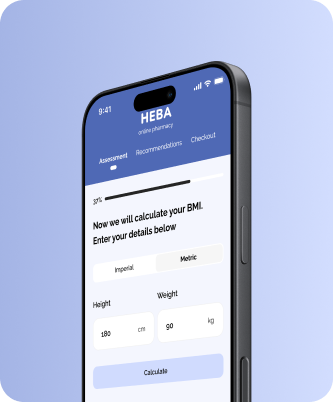
Treatment plans personalised to you

We customise your treatment plan to fit your needs and health profile.

Your goals are within reach with HEBA

Get started on your health and wellness journey today

Explore all treatments