- Home /
- Online Doctor /
- Bacterial Vaginosis /
- Zidoval Vaginal Gel

Superintendent Pharmacist
Registration Number: 2219322
NHS Pharmacist and founding member of HEBA, with years of experience in healthcare across innovative organisations.

Clinical Governance Lead
Registration Number: 2221275
Review Date
25 March 2026
Next Review
25 March 2028
Published on
25 March 2026
Last Update
25 March 2026
Verified customer reviews
Frequently asked questions
-
Can I drink alcohol while using Zidoval?
It is strongly advised that you avoid drinking alcohol during your five-day course of Zidoval and for at least 48 hours after applying your final dose. Metronidazole — the active ingredient in Zidoval — belongs to the nitroimidazole class of antibiotics, which can interact with alcohol to cause a disulfiram-like reaction.
Symptoms of this reaction can include flushing, throbbing headache, nausea and vomiting, rapid heartbeat, and dizziness. The reaction is less likely with Zidoval vaginal gel than with oral metronidazole tablets because the amount of metronidazole absorbed into the bloodstream is much lower (approximately 2% of an equivalent oral dose). However, the interaction cannot be completely ruled out, and the Summary of Product Characteristics (SmPC) advises caution.
This includes all sources of alcohol — not just wine, beer, or spirits. You should also be mindful of alcohol-containing products such as some mouthwashes, cough syrups, and tonics while using Zidoval.
-
Can I use tampons or have sex while using Zidoval?
You should avoid using tampons and abstain from sexual intercourse for the duration of your Zidoval treatment. There are two important reasons for this:
- Tampons: Tampons can physically absorb the gel before it has had a chance to work, significantly reducing the amount of metronidazole reaching the vaginal walls. If you need menstrual protection during your course, use unscented external sanitary pads instead.
- Sexual intercourse: Having sex during active bacterial vaginosis and antibiotic treatment can disrupt the vaginal environment and pH, potentially reducing the effectiveness of the gel. It can also cause discomfort and may risk reintroducing bacteria. Additionally, Zidoval gel (like other vaginal preparations) may weaken latex condoms and diaphragms, reducing their contraceptive reliability.
-
Will Zidoval affect my contraceptive pill?
No — Zidoval will not affect the effectiveness of your combined oral contraceptive pill or progestogen-only pill. Earlier guidance cautioned that metronidazole and other antibiotics might reduce the pill's efficacy by affecting gut bacteria involved in hormone recycling. However, this concern applied specifically to broad-spectrum oral antibiotics and has since been reviewed.
Current evidence and updated guidance from The Independent Pharmacy and other UK online pharmacies confirms that metronidazole does not interact with hormonal contraceptives. Because Zidoval is administered vaginally rather than orally, systemic absorption is minimal and the risk of any hormonal interaction is even lower.
You do not need to use additional contraception (such as condoms) for pill protection purposes during or after your Zidoval course. However, as noted above, avoiding sex during treatment is advised for other reasons while the infection is active.
-
How do I know when BV has cleared? What if my symptoms return?
BV is considered cleared when your symptoms resolve — most importantly, when the unusual vaginal discharge and fishy odour have gone. Most women begin to notice an improvement within 2 to 3 days of starting treatment, with the infection fully clearing by the end of the five-day course in the majority of cases. Clinical evidence shows Zidoval is effective in up to 91% of cases.
Signs that your BV has cleared include:
- Discharge returning to its normal colour, consistency, and volume for you
- Absence of any fishy or unusual odour
- Resolution of any associated vaginal discomfort or irritation
If your symptoms persist beyond the five days of treatment, or return shortly after finishing your course, you should contact your GP or pharmacist. BV recurrence is common — research shows that up to 50% of women experience a further episode within three months, and around half of those who treat BV will have it again within a year. If you experience BV more than four times a year, your doctor may discuss a suppressive treatment regimen, such as a twice-weekly vaginal gel course over several months, to help prevent recurrence.
-
Can I use Zidoval during my period?
It is generally not recommended to start a course of Zidoval during your menstrual period. Menstrual blood and flow can dilute or wash away the gel before it has had sufficient contact time with the vaginal mucosa, which may significantly reduce its effectiveness.
Where possible, plan your Zidoval course to begin either before your period starts or after it has finished. If your period begins unexpectedly during your treatment course, speak to your doctor or pharmacist for guidance on whether to pause and resume or continue.
As a reminder, do not use tampons at any point during your Zidoval course — use unscented sanitary pads instead if you need menstrual protection.
⚠ Top Tip
If your period starts mid-course, continue using unscented pads rather than tampons, and contact your prescriber for advice on completing your course
-
What should I do if Zidoval does not work or BV keeps coming back?
If your symptoms do not improve after completing the full five-day course of Zidoval, or if they return shortly afterwards, you should seek medical advice. There are several options your doctor may consider:
- Repeat course of Zidoval: A further five-day course of metronidazole vaginal gel may be prescribed if this is a first recurrence.
- Switch to oral metronidazole: Metronidazole 400 mg tablets taken twice daily for seven days are the first-line oral treatment for BV and may be appropriate if the gel has not been fully effective.
- Alternative antibiotic: Dalacin Cream (clindamycin 2% vaginal cream, applied for seven nights) is a suitable alternative for patients who are sensitive to metronidazole or who have not responded to it. It successfully treats approximately 75% of BV cases.
- Suppressive therapy for recurrent BV: If you experience BV more than four times per year, your doctor may recommend a longer suppressive regimen — such as a twice-weekly intravaginal gel over three to six months — to reduce the frequency of recurrence. Referral to a sexual health clinic may also be appropriate.
- Vaginal pH gel (adjunct): Products such as Balance Activ (available over the counter) can help restore vaginal pH as an adjunct to antibiotic treatment, and may help reduce the likelihood of recurrence. They are not a replacement for antibiotic treatment.
To reduce the risk of BV returning, try to avoid known triggers: use plain water and unperfumed products to wash the external genital area, avoid douching, wear breathable cotton underwear, and use condoms during sex. Some evidence also supports the use of oral or vaginal lactobacillus probiotics as a preventative measure.
Related treatments
Why go with HEBA?

UK-based clinical team
Our specialist clinical team ensure your safety and health. Every treatment is carefully reviewed with treatment provided based on your overall health.
Clinically proven treatments, safely prescribed
We are a GPhC registered pharmacy, dispensing medication from MHRA approved facilities. You can rest assured that your medication will always be 100% genuine and authentic.

Long term support
We are committed to providing assistance and guidance for your well-being and health, with a focus on long-term health outcomes and holistic support to ensure that you are getting the most from your treatment.
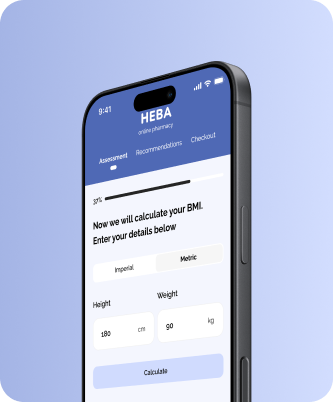
Treatment plans personalised to you
We customise your treatment plan to fit your needs and health profile.
Your goals are within reach with HEBA
Get started on your health and wellness journey today
Explore all treatments