Eczema Treatment



Relief you can feel, care you can trust
Start your journey towards effective relief from Eczema. Complete a quick online consultation today to find the treatment that’s right for you.
Your comfort, confidence, and wellbeing come first
-
What is Eczema?
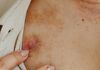
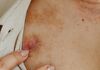
Eczema (also called atopic eczema or dermatitis) is a long-term skin condition that makes the skin: itchy, dry, red or inflamed and sometimes cracked, scaly, or sore. It can come and go over time, with flare-ups (when it gets worse) and periods where it improves.
Eczema is most commonly seen in children, with around 70–90% of cases developing before the age of five. While approximately two-thirds of children outgrow eczema by their teenage years, some individuals continue to experience symptoms into adulthood.
It is relatively rare for eczema to develop for the first time in adults over the age of 20.
-
What are the different types of Eczema?
Atopic eczema (atopic dermatitis): The most common form, often starting in childhood. It causes dry, itchy, and inflamed skin and is commonly linked to allergies, asthma, and hay fever. It usually affects the face, hands, elbows, and knees.
Contact dermatitis: Triggered by direct contact with irritants or allergens such as soaps, detergents, fragrances, or metals. The rash typically appears only in the area that has been exposed.
Dyshidrotic eczema (pompholyx): Characterised by small, itchy blisters on the hands and feet. It can be associated with stress, sweating, or exposure to irritants.
Discoid eczema (nummular eczema): Appears as round or oval patches of irritated skin that can be dry, itchy, and sometimes oozing. It is more common in adults and often affects the arms, legs, or torso.
Seborrhoeic dermatitis: Affects oily areas of the body such as the scalp, face, and chest. It causes flaky, greasy scales and is commonly known as dandruff in adults or cradle cap in babies.
Varicose (stasis) eczema: Linked to poor circulation, this type mainly affects the lower legs. The skin may become itchy, swollen, discoloured, and thickened, and it is more common in older adults. -
What causes Eczema?
Eczema is caused by a combination of genetic and environmental factors that affect the skin’s ability to retain moisture and protect against irritants. People with eczema often have a weakened skin barrier, making their skin more sensitive to triggers. While the exact cause can vary from person to person, flare-ups are commonly linked to external irritants, allergens, and internal factors such as stress or immune responses.
Common causes and triggers of eczema include:
Genetics: Eczema often runs in families, especially in people with a history of asthma, hay fever, or allergies.
Skin barrier dysfunction: The skin does not retain moisture effectively, leading to dryness and increased sensitivity to irritants.Irritants: Everyday products such as soaps, detergents, shampoos, cleaning products, and perfumes can trigger flare-ups.
Allergens: Dust mites, pollen, pet dander, and certain foods may worsen eczema in some individuals.
Weather conditions: Cold, dry air or excessive heat and humidity can dry out or irritate the skin.
Stress: Emotional stress can trigger or worsen eczema symptoms.
Hormonal changes: Fluctuations in hormones, particularly in women, can lead to flare-ups.
Sweating: Excessive sweating can irritate the skin and trigger itching.
Clothing materials: Fabrics like wool or synthetic materials can aggravate sensitive skin.
-
What are the symptoms of Eczema?
Eczema symptoms can vary from person to person and may range from mild dryness to more severe inflammation. The condition often comes and goes, with periods of flare-ups followed by times when symptoms improve. The most common feature of eczema is itchy, irritated skin, which can worsen if scratched.
Common symptoms of eczema include:
Dry skin: Skin may feel rough, tight, and lacking moisture.
Itching (pruritus): One of the main symptoms, which can be mild to severe and often worse at night.
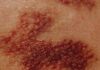
Red or inflamed skin: Patches may appear red, pink, grey, or darker depending on skin tone.
Rashes: Areas of irritated skin that may be raised or swollen.
Cracked or scaly skin: Skin may become flaky, peel, or develop small cracks.
Thickened skin: Repeated scratching can cause the skin to become thicker and leathery over time.
Weeping or crusting: In more severe cases, the skin may ooze fluid or form crusts.
Sensitive skin: Affected areas may sting or burn, especially when using certain products.
Although eczema can appear anywhere, the most affected areas include the:
- Elbows
- Knees
- Hands
- Neck
- Face
- Scalp
-
Eczema treatments
Eczema treatment focuses on relieving symptoms, reducing inflammation, and preventing flare-ups. While there is no cure, a combination of regular skincare, avoiding triggers, and using appropriate treatments can help keep eczema under control. The right treatment will depend on the severity of symptoms and the type of eczema.
Common treatments for eczema include:
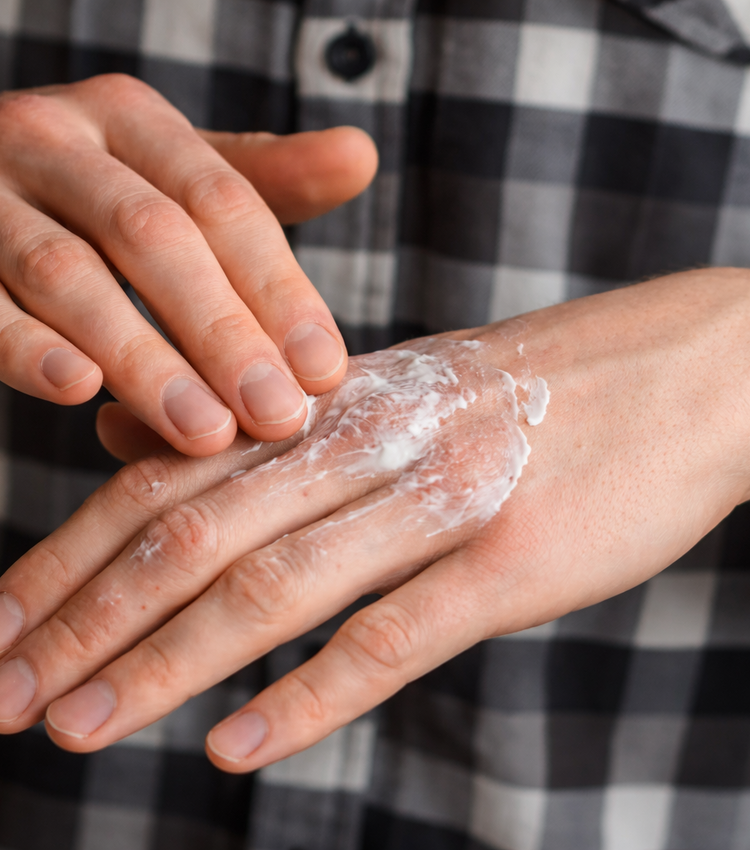
Emollients (moisturisers): Essential for daily use to keep the skin hydrated, restore the skin barrier, and prevent dryness. These should be applied frequently, even when symptoms are under control.
Topical corticosteroids: Anti-inflammatory creams or ointments used during flare-ups to reduce redness, swelling, and itching. Strength varies depending on severity.
Topical calcineurin inhibitors: Non-steroidal creams (such as tacrolimus or pimecrolimus) used to reduce inflammation, especially in sensitive areas like the face or neck.
Antihistamines: May help reduce itching, particularly at night, and improve sleep.
Bandages and wet wraps: Used in more severe cases to protect the skin, lock in moisture, and enhance the effectiveness of treatments.
Antibiotics: Prescribed if the skin becomes infected due to scratching or broken skin.
Phototherapy (light therapy): Controlled exposure to ultraviolet (UV) light under medical supervision for moderate to severe eczema.
Trigger avoidance: Identifying and avoiding irritants such as harsh soaps, allergens, or certain fabrics is a key part of long-term management.

Find out more
Relief you can feel, care you can trust
What is Eczema?
Eczema (also called atopic eczema or dermatitis) is a long-term skin condition that makes the skin: itchy, dry, red or inflamed and sometimes cracked, scaly, or sore. It can come and go over time, with flare-ups (when it gets worse) and periods where it improves.
Eczema is most commonly seen in children, with around 70–90% of cases developing before the age of five. While approximately two-thirds of children outgrow eczema by their teenage years, some individuals continue to experience symptoms into adulthood.
It is relatively rare for eczema to develop for the first time in adults over the age of 20.
What are the different types of Eczema?
Atopic eczema (atopic dermatitis): The most common form, often starting in childhood. It causes dry, itchy, and inflamed skin and is commonly linked to allergies, asthma, and hay fever. It usually affects the face, hands, elbows, and knees.
Contact dermatitis: Triggered by direct contact with irritants or allergens such as soaps, detergents, fragrances, or metals. The rash typically appears only in the area that has been exposed.
Dyshidrotic eczema (pompholyx): Characterised by small, itchy blisters on the hands and feet. It can be associated with stress, sweating, or exposure to irritants.
Discoid eczema (nummular eczema): Appears as round or oval patches of irritated skin that can be dry, itchy, and sometimes oozing. It is more common in adults and often affects the arms, legs, or torso.
Seborrhoeic dermatitis: Affects oily areas of the body such as the scalp, face, and chest. It causes flaky, greasy scales and is commonly known as dandruff in adults or cradle cap in babies.
Varicose (stasis) eczema: Linked to poor circulation, this type mainly affects the lower legs. The skin may become itchy, swollen, discoloured, and thickened, and it is more common in older adults.
What causes Eczema?
Eczema is caused by a combination of genetic and environmental factors that affect the skin’s ability to retain moisture and protect against irritants. People with eczema often have a weakened skin barrier, making their skin more sensitive to triggers. While the exact cause can vary from person to person, flare-ups are commonly linked to external irritants, allergens, and internal factors such as stress or immune responses.
Common causes and triggers of eczema include:
Genetics: Eczema often runs in families, especially in people with a history of asthma, hay fever, or allergies.
Skin barrier dysfunction: The skin does not retain moisture effectively, leading to dryness and increased sensitivity to irritants.
Irritants: Everyday products such as soaps, detergents, shampoos, cleaning products, and perfumes can trigger flare-ups.
Allergens: Dust mites, pollen, pet dander, and certain foods may worsen eczema in some individuals.
Weather conditions: Cold, dry air or excessive heat and humidity can dry out or irritate the skin.
Stress: Emotional stress can trigger or worsen eczema symptoms.
Hormonal changes: Fluctuations in hormones, particularly in women, can lead to flare-ups.
Sweating: Excessive sweating can irritate the skin and trigger itching.
Clothing materials: Fabrics like wool or synthetic materials can aggravate sensitive skin.
What are the symptoms of Eczema?
Eczema symptoms can vary from person to person and may range from mild dryness to more severe inflammation. The condition often comes and goes, with periods of flare-ups followed by times when symptoms improve. The most common feature of eczema is itchy, irritated skin, which can worsen if scratched.
Common symptoms of eczema include:
Dry skin: Skin may feel rough, tight, and lacking moisture.
Itching (pruritus): One of the main symptoms, which can be mild to severe and often worse at night.
Red or inflamed skin: Patches may appear red, pink, grey, or darker depending on skin tone.
Rashes: Areas of irritated skin that may be raised or swollen.
Cracked or scaly skin: Skin may become flaky, peel, or develop small cracks.
Thickened skin: Repeated scratching can cause the skin to become thicker and leathery over time.
Weeping or crusting: In more severe cases, the skin may ooze fluid or form crusts.
Sensitive skin: Affected areas may sting or burn, especially when using certain products.
Although eczema can appear anywhere, the most affected areas include the:
- Elbows
- Knees
- Hands
- Neck
- Face
- Scalp
Eczema treatments
Eczema treatment focuses on relieving symptoms, reducing inflammation, and preventing flare-ups. While there is no cure, a combination of regular skincare, avoiding triggers, and using appropriate treatments can help keep eczema under control. The right treatment will depend on the severity of symptoms and the type of eczema.
Common treatments for eczema include:
Emollients (moisturisers): Essential for daily use to keep the skin hydrated, restore the skin barrier, and prevent dryness. These should be applied frequently, even when symptoms are under control.
Topical corticosteroids: Anti-inflammatory creams or ointments used during flare-ups to reduce redness, swelling, and itching. Strength varies depending on severity.
Topical calcineurin inhibitors: Non-steroidal creams (such as tacrolimus or pimecrolimus) used to reduce inflammation, especially in sensitive areas like the face or neck.
Antihistamines: May help reduce itching, particularly at night, and improve sleep.
Bandages and wet wraps: Used in more severe cases to protect the skin, lock in moisture, and enhance the effectiveness of treatments.
Antibiotics: Prescribed if the skin becomes infected due to scratching or broken skin.
Phototherapy (light therapy): Controlled exposure to ultraviolet (UV) light under medical supervision for moderate to severe eczema.
Trigger avoidance: Identifying and avoiding irritants such as harsh soaps, allergens, or certain fabrics is a key part of long-term management.
Why go with HEBA?

UK-based clinical team
Our specialist clinical team ensure your safety and health. Every treatment is carefully reviewed with treatment provided based on your overall health.
Clinically proven treatments, safely prescribed
We are a GPhC registered pharmacy, dispensing medication from MHRA approved facilities. You can rest assured that your medication will always be 100% genuine and authentic.

Long term support
We are committed to providing assistance and guidance for your well-being and health, with a focus on long-term health outcomes and holistic support to ensure that you are getting the most from your treatment.

Treatment plans personalised to you
We customise your treatment plan to fit your needs and health profile.
Verified customer reviews
Your goals are within reach with Heba
Get started on your journey to better skin today
Start Assessment