Fungal Nail Infection Treatment

Trusted Treatment for Healthier, Clearer Nails
Start your journey towards effective relief from Fungal Nail Infections. Complete a quick online consultation today to find the treatment that’s right for you.
Your comfort, confidence, and wellbeing come first.
-
What is a Fungal Nail Infection?
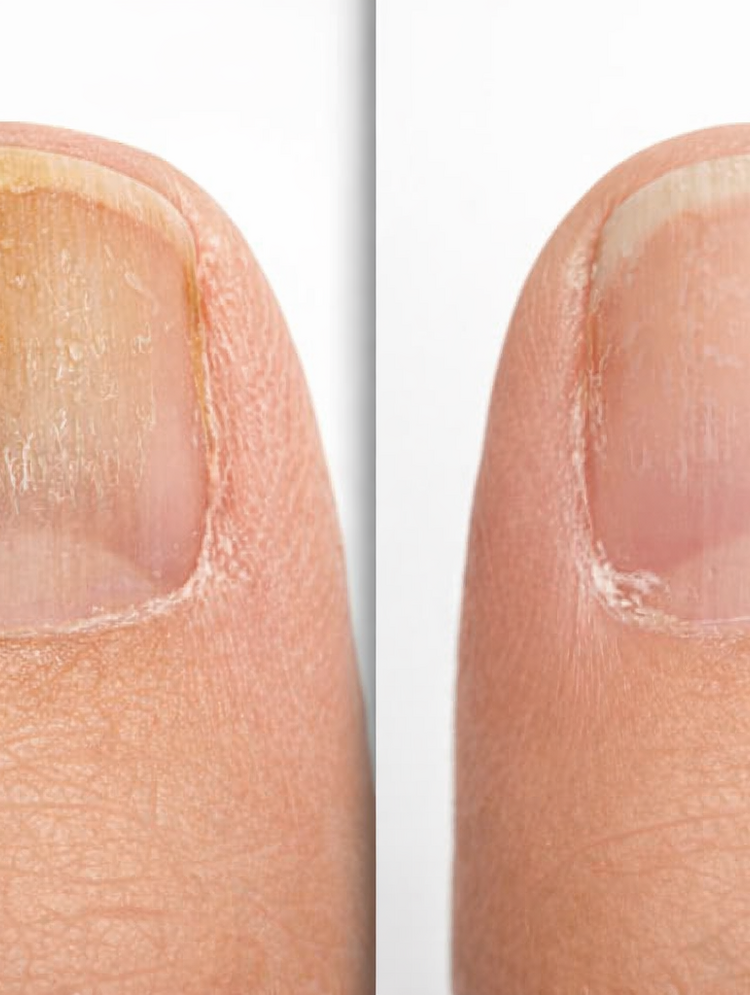
Fungal nail infections are a common condition, typically causing nails to become discoloured, thickened, and brittle. They most often affect the toenails and are caused by fungi that grow and spread in warm, moist environments. In some cases, fingernails can also be affected.
The infection may involve one or several nails and can worsen over time, sometimes leading to the nail becoming damaged or crumbly. Mild cases do not always require treatment, but if symptoms such as pain, thickening, or discomfort develop, treatment can help improve the condition and relieve symptoms.
-
What are the causes?
Fungal nail infections are caused by fungi (dermatophytes, yeasts, or moulds) that grow in warm, moist environments. These organisms can infect the nail when they enter through small cracks in the nail or surrounding skin.
Common Causes
- Warm, damp conditions (e.g. sweaty feet, tight shoes)
- Poor foot hygiene
- Minor nail or skin damage, allowing fungi to enter
- Walking barefoot in communal areas such as swimming pools, gyms, and showers
- Existing fungal skin infections, like athlete’s foot spreading to the nail
Risk Factors (Who is more likely to get it)
- Older adults
- People with diabetes
- Reduced circulation (e.g. peripheral vascular disease)
- Weakened immune system
- Nail trauma or repeated pressure on nails
- Frequent exposure to water or moist environments
Fungal nail infections often develop slowly and may start after a skin infection like athlete’s foot spreads to the nail.
-
What are the symptoms?
Fungal nail infections usually develop gradually and may affect one or more nails.
Common symptoms
- Discolouration of the nail (yellow, brown, or white)
- Thickened nails
- Brittle, crumbly, or ragged edges
- Distorted nail shape
- Loss of shine or dull appearance
Other possible symptoms
- Build-up of debris under the nail
- Nail lifting away from the nail bed (onycholysis)
- Unpleasant smell in some cases
- Pain or discomfort, especially when wearing shoes or walking
Symptoms often start mild but can worsen over time if left untreated, potentially affecting multiple nails.
-
Fungal Nail Infection treatment
Self-care & prevention
- Keep nails clean, dry, and trimmed
- Avoid sharing nail tools
- Wear breathable footwear
- Treat athlete’s foot promptly
- Avoid walking barefoot in communal areas
Treatment depends on how severe the infection is and how many nails are affected. Fungal nail infections can take time to clear, so consistency is key.
Topical treatments (mild to moderate cases)
Applied directly to the nail:
- Antifungal nail lacquers (e.g. amorolfine)
- Antifungal solutions or creams
Best for: Early or mild infections or when only part of the nail is affected
Treatment duration: Often 6–12 months (until the nail grows out)
Oral antifungal medications (more severe cases)
Prescription-only treatments:
Terbinafine
ItraconazoleBest for: Severe or widespread infections and Thickened/multiple nails affected
Treatment duration: Typically 6 weeks (fingernails) or 3–6 months (toenails)
Requires pharmacist/doctor assessment due to potential side effects and interactions
Nail removal (in some cases)
- Partial or complete removal of the nail
Usually considered if other treatments haven’t worked



Find out more
Trusted Treatment for Healthier, Clearer Nails
What is a Fungal Nail Infection?
Fungal nail infections are a common condition, typically causing nails to become discoloured, thickened, and brittle. They most often affect the toenails and are caused by fungi that grow and spread in warm, moist environments. In some cases, fingernails can also be affected.
The infection may involve one or several nails and can worsen over time, sometimes leading to the nail becoming damaged or crumbly. Mild cases do not always require treatment, but if symptoms such as pain, thickening, or discomfort develop, treatment can help improve the condition and relieve symptoms.
What are the causes?
Fungal nail infections are caused by fungi (dermatophytes, yeasts, or moulds) that grow in warm, moist environments. These organisms can infect the nail when they enter through small cracks in the nail or surrounding skin.
Common Causes
- Warm, damp conditions (e.g. sweaty feet, tight shoes)
- Poor foot hygiene
- Minor nail or skin damage, allowing fungi to enter
- Walking barefoot in communal areas such as swimming pools, gyms, and showers
- Existing fungal skin infections, like athlete’s foot spreading to the nail
Risk Factors (Who is more likely to get it)
- Older adults
- People with diabetes
- Reduced circulation (e.g. peripheral vascular disease)
- Weakened immune system
- Nail trauma or repeated pressure on nails
- Frequent exposure to water or moist environments
Fungal nail infections often develop slowly and may start after a skin infection like athlete’s foot spreads to the nail.
What are the symptoms?
Fungal nail infections usually develop gradually and may affect one or more nails.
Common symptoms
- Discolouration of the nail (yellow, brown, or white)
- Thickened nails
- Brittle, crumbly, or ragged edges
- Distorted nail shape
- Loss of shine or dull appearance
Other possible symptoms
- Build-up of debris under the nail
- Nail lifting away from the nail bed (onycholysis)
- Unpleasant smell in some cases
- Pain or discomfort, especially when wearing shoes or walking
Symptoms often start mild but can worsen over time if left untreated, potentially affecting multiple nails.
Fungal Nail Infection treatment
Self-care & prevention
- Keep nails clean, dry, and trimmed
- Avoid sharing nail tools
- Wear breathable footwear
- Treat athlete’s foot promptly
- Avoid walking barefoot in communal areas
Treatment depends on how severe the infection is and how many nails are affected. Fungal nail infections can take time to clear, so consistency is key.
Topical treatments (mild to moderate cases)
Applied directly to the nail:
- Antifungal nail lacquers (e.g. amorolfine)
- Antifungal solutions or creams
Best for: Early or mild infections or when only part of the nail is affected
Treatment duration: Often 6–12 months (until the nail grows out)
Oral antifungal medications (more severe cases)
Prescription-only treatments:
Terbinafine
Itraconazole
Best for: Severe or widespread infections and Thickened/multiple nails affected
Treatment duration: Typically 6 weeks (fingernails) or 3–6 months (toenails)
Requires pharmacist/doctor assessment due to potential side effects and interactions
Nail removal (in some cases)
- Partial or complete removal of the nail
Usually considered if other treatments haven’t worked
Why go with HEBA?

UK-based clinical team
Our specialist clinical team ensure your safety and health. Every treatment is carefully reviewed with treatment provided based on your overall health.
Clinically proven treatments, safely prescribed
We are a GPhC registered pharmacy, dispensing medication from MHRA approved facilities. You can rest assured that your medication will always be 100% genuine and authentic.

Long term support
We are committed to providing assistance and guidance for your well-being and health, with a focus on long-term health outcomes and holistic support to ensure that you are getting the most from your treatment.

Treatment plans personalised to you
We customise your treatment plan to fit your needs and health profile.
Verified customer reviews
Your goals are within reach with Heba
Get started on your journey to better skin today
Start Assessment